
SPOILER ALERT!
Useful Advice To Aid With Dental Treatment
Content create by-Sejersen Jennings
You are completely right if you think you could improve your dental hygiene. The unhealthy foods and beverages out there are not ideal for one looking to have healthy teeth. Read this article to learn how to take better care of your teeth.
Teenagers can become lazy with dental care. Remind them that taking care of their teeth will help them avoid bad breath. This motivates your teen because they care what peers think about them.
Visit your dentist twice a year. When you visit your dentist on a regular basis, you can prevent many serious dental problems before they happen. Regular visits to the dentist can keep you from getting plaque build-up that leads to tooth decay, and can keep your gums from getting diseased.
Brushing is only effective when you do it the right way. Your toothbrush should be held an angle. In Hills Oral Care , you should use quick back-and-forth motions to clean your teeth. Make sure that you don't brush too intensely, because you could harm your gums. Finally, don't forget to brush your tongue, either.
The way you hold your toothbrush plays a major role in whether you are properly brushing your teeth or not. You should hold it at an angle against your teeth. Then, move it in a circular motion. Avoid pressing too hard, as this can irritate delicate gums.
Flossing is not difficult, but many people have a hard time doing it. Ask your dentist to demonstrate for you on a model of the mouth and to allow you to practice on that same model. You can also floss in front of the mirror in your dentist's presence so that you can learn how to floss properly.
Remember that oral hygiene is more than just white teeth and good breath. The mouth is the gateway to the rest of your body. Bacteria and infections that start here can spread to your heart and liver. A growing number of cancers and cardiac issues are being discovered to have their origins in the mouth.
Talk to your dentist immediately about any changes you notice in your mouth. Be it sudden increased sensitivity to cold, a dull ache or an odd spot that won't go away on its own, your dentist knows the difference between a simple issue with teeth and major underlying health issues. Call right away to report any such problems.
If your dentist prescribes antibiotics and/or tooth removal, get it done as quickly as possible. If you ignore mouth infections, they can spread throughout your body. If you have an infection, do what your dentist told you. Take your antibiotics, and do not stop until the infection is gone.
If you want to adopt a diet your dentist is sure to love, there are certain foods that are better than others. Dairy has lots of calcium, so try eating low-fat sour cream and cheese. Nuts provide a nice combination of calcium and fats that are necessary for balanced health. You get your protein from meats and other sources, which helps your gums heal.
Avoid sweet sticky foods. Foods such as taffy, caramels and soft candies will stick to your teeth and cause cavities. If you want to occasionally enjoy these sweet treats, immediately brush and floss your teeth after eating them. Brushing and flossing immediately after eating these sticky foods will protect your teeth from cavities.
If you find that your mouth and lips are dry a lot, tell your dentist about it. If you are taking medications, they may be the cause. Your dentist will be able to tell you whether your medications are causing your dry mouth, and can help you determine how you can treat it.
When the time comes to find a new dentist able to keep you on the path to proper dental care, be sure to ask friends and family members for referrals. By doing this, you can be certain to receive the sort of professional treatment and competence you expect and deserve.
The most important part of taking care of your teeth is to visit the dentist twice a year. They can do diagnostic tests to ensure nothing is wrong with your teeth in the parts which can't be seen, and they will clean and fluoridize your teeth to ensure they're strong.
The amount of time that you spend brushing your teeth is important. If you don't brush them long enough, you can't remove all of the plaque. But if you brush them for too long, you can injure your gums or even remove enamel from your teeth and cause permanent damage.
To make sure you get the most out of brushing, make sure that you don't eat any food after you brush for the night. If you are thirsty, you can drink some water. However, food or drinks with any sugar will leave a residue on your teeth overnight, undoing much of the work you did by brushing.
It is very important to brush your teeth when you get up and before you go to bed. Saliva dries off during the night, which causes plaque to build up on your teeth. Eliminating plaque before going to bed will help reduce the plaque buildup that occurs during the night.
Increase the number of dairy products you eat. Not only do dairy products include calcium, which keeps your teeth strong, but they can also freshen breath and help keep your teeth white. Most people enjoy milk and cheese, but don't forget about yogurt as well. These foods are also a source of protein, so you can help your body as well as your teeth.
Make sure to see the dentist at least twice every year. Even if you only have your teeth cleaned, the hygienist will note any developing problems and point them out to the dentist. It is much easier, and cheaper too, to have any small cavities fixed before they get any bigger.
Nowadays, achieving Oral Hygiene Advice is possible. Thanks to new research, we are now aware of all kinds of small tips that can produce big results when it comes to our teeth. Make use of the simple, but effective, tips that you have just read, and you can significantly improve your teeth in a very short amount of time.
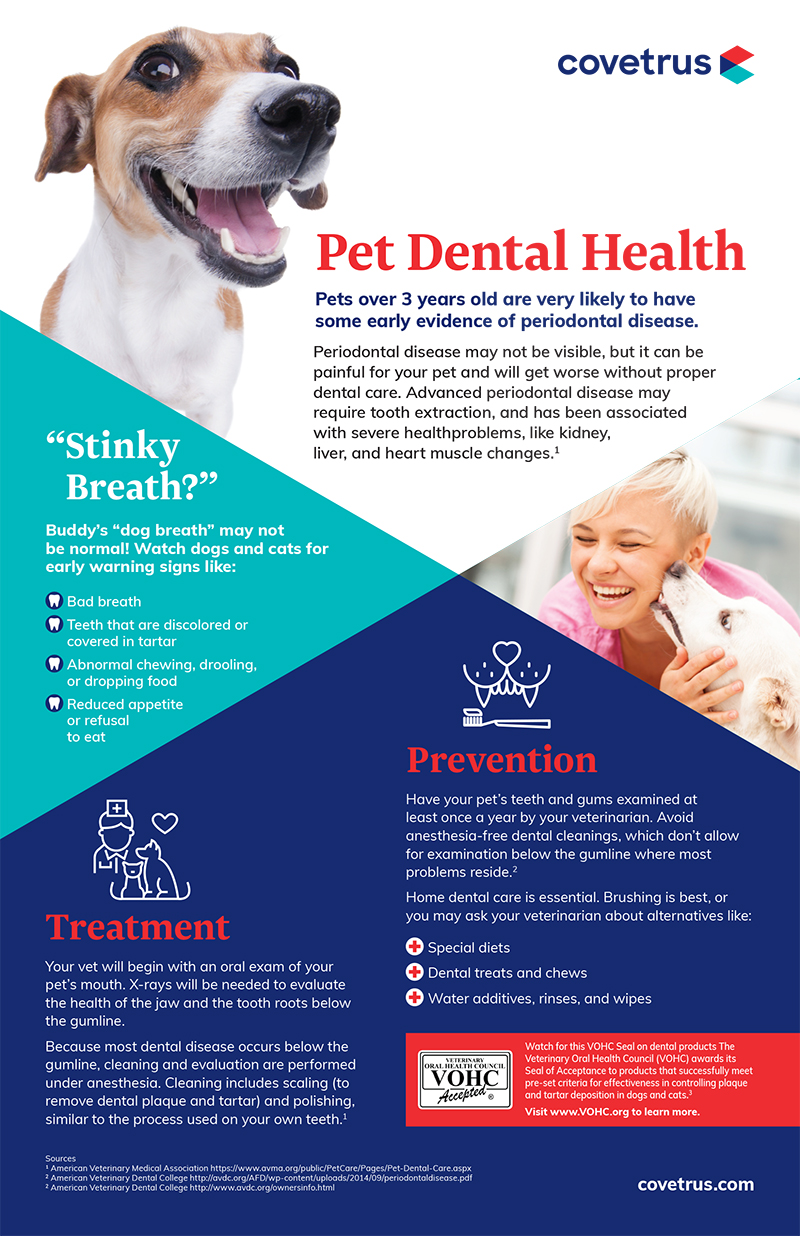 https://drive.google.com/drive/folders/19W_a-RggFmKscHMGMDFociQwDDi474-L?usp=drive_open ='533' border='0'>
You are completely right if you think you could improve your dental hygiene. The unhealthy foods and beverages out there are not ideal for one looking to have healthy teeth. Read this article to learn how to take better care of your teeth.
Teenagers can become lazy with dental care. Remind them that taking care of their teeth will help them avoid bad breath. This motivates your teen because they care what peers think about them.
Visit your dentist twice a year. When you visit your dentist on a regular basis, you can prevent many serious dental problems before they happen. Regular visits to the dentist can keep you from getting plaque build-up that leads to tooth decay, and can keep your gums from getting diseased.
Brushing is only effective when you do it the right way. Your toothbrush should be held an angle. In Hills Oral Care , you should use quick back-and-forth motions to clean your teeth. Make sure that you don't brush too intensely, because you could harm your gums. Finally, don't forget to brush your tongue, either.
The way you hold your toothbrush plays a major role in whether you are properly brushing your teeth or not. You should hold it at an angle against your teeth. Then, move it in a circular motion. Avoid pressing too hard, as this can irritate delicate gums.
Flossing is not difficult, but many people have a hard time doing it. Ask your dentist to demonstrate for you on a model of the mouth and to allow you to practice on that same model. You can also floss in front of the mirror in your dentist's presence so that you can learn how to floss properly.
Remember that oral hygiene is more than just white teeth and good breath. The mouth is the gateway to the rest of your body. Bacteria and infections that start here can spread to your heart and liver. A growing number of cancers and cardiac issues are being discovered to have their origins in the mouth.
Talk to your dentist immediately about any changes you notice in your mouth. Be it sudden increased sensitivity to cold, a dull ache or an odd spot that won't go away on its own, your dentist knows the difference between a simple issue with teeth and major underlying health issues. Call right away to report any such problems.
If your dentist prescribes antibiotics and/or tooth removal, get it done as quickly as possible. If you ignore mouth infections, they can spread throughout your body. If you have an infection, do what your dentist told you. Take your antibiotics, and do not stop until the infection is gone.
If you want to adopt a diet your dentist is sure to love, there are certain foods that are better than others. Dairy has lots of calcium, so try eating low-fat sour cream and cheese. Nuts provide a nice combination of calcium and fats that are necessary for balanced health. You get your protein from meats and other sources, which helps your gums heal.
Avoid sweet sticky foods. Foods such as taffy, caramels and soft candies will stick to your teeth and cause cavities. If you want to occasionally enjoy these sweet treats, immediately brush and floss your teeth after eating them. Brushing and flossing immediately after eating these sticky foods will protect your teeth from cavities.
If you find that your mouth and lips are dry a lot, tell your dentist about it. If you are taking medications, they may be the cause. Your dentist will be able to tell you whether your medications are causing your dry mouth, and can help you determine how you can treat it.
When the time comes to find a new dentist able to keep you on the path to proper dental care, be sure to ask friends and family members for referrals. By doing this, you can be certain to receive the sort of professional treatment and competence you expect and deserve.
The most important part of taking care of your teeth is to visit the dentist twice a year. They can do diagnostic tests to ensure nothing is wrong with your teeth in the parts which can't be seen, and they will clean and fluoridize your teeth to ensure they're strong.
The amount of time that you spend brushing your teeth is important. If you don't brush them long enough, you can't remove all of the plaque. But if you brush them for too long, you can injure your gums or even remove enamel from your teeth and cause permanent damage.
To make sure you get the most out of brushing, make sure that you don't eat any food after you brush for the night. If you are thirsty, you can drink some water. However, food or drinks with any sugar will leave a residue on your teeth overnight, undoing much of the work you did by brushing.
It is very important to brush your teeth when you get up and before you go to bed. Saliva dries off during the night, which causes plaque to build up on your teeth. Eliminating plaque before going to bed will help reduce the plaque buildup that occurs during the night.
Increase the number of dairy products you eat. Not only do dairy products include calcium, which keeps your teeth strong, but they can also freshen breath and help keep your teeth white. Most people enjoy milk and cheese, but don't forget about yogurt as well. These foods are also a source of protein, so you can help your body as well as your teeth.
Make sure to see the dentist at least twice every year. Even if you only have your teeth cleaned, the hygienist will note any developing problems and point them out to the dentist. It is much easier, and cheaper too, to have any small cavities fixed before they get any bigger.
Nowadays, achieving Oral Hygiene Advice is possible. Thanks to new research, we are now aware of all kinds of small tips that can produce big results when it comes to our teeth. Make use of the simple, but effective, tips that you have just read, and you can significantly improve your teeth in a very short amount of time.
https://drive.google.com/drive/folders/19W_a-RggFmKscHMGMDFociQwDDi474-L?usp=drive_open ='533' border='0'>